
"primary processing"
1000 article(s) found

What is the difference between Yunnan coffee and Brazilian coffee? Analysis on the initial processing stage of Coffee in Yunnan
Professional coffee knowledge exchange more coffee bean information please follow the coffee workshop (Wechat official account cafe_style) this article from the coffee primary processing process of fresh fruit picking, fresh fruit grading, peeling, degumming, drying, cleaning points
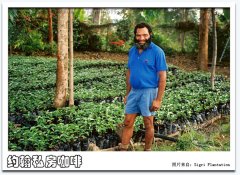
Primary processing of coffee washed coffee in Sigri farm
Having nothing to do, I was looking for some information about Sigri farm coffee in Papua New Guinea. I found these photos and information on the Gimmetries Coffee website. Sigri Plantation is located in the Papua New Guinea highlands. Growing conditions here are well-suited for coffee: about 5200 feet above

Yunnan coffee development history Arabica coffee beans cultivation environment Production area Manor introduction
Yunnan coffee development history Arabica coffee beans cultivation environment production area manor introduction Yunnan coffee trade base In recent years, Yunnan Arabica coffee export trade volume continued to grow, January to September 2010, the province's coffee exports 28,800 tons, exports earned 85,840,000 US dollars 121. Coffee raw beans and deep-processed products are exported to Western Europe, the United States, Japan, South Korea and other more than 20 countries and regions. currently

Coffee insolation method for primary processing
The coffee beans after harvest must enter the treatment program immediately, otherwise they will begin to ferment, making the coffee beans have a bad smell. There are two methods of treatment: solarization and water washing, which will cause different flavors. Sun-dried beans have a complete natural mellow flavor, gentle aroma and more gum; washing rules have a good mellow taste, high aroma and lively sour taste. The mellow taste is
The method of primary processing of coffee beans-honey treatment
A few years ago, a fad of expensive Indonesian Kopi Luwak introduced domestic consumers to the concept of diversified production technologies for boutique coffee, and then the emergence of sparrow shit coffee in Brazil and shit coffee in Thailand was a bit like an odd coffee zoo war. When it comes to the new stars in the production process of boutique coffee, honey treatment has to be mentioned. At the WSC contest, which is known as the Coffee World Cup

SCAE European sensory, extraction and barista course certification introduction SCAE sensory Primary and Intermediate Certification
Professional coffee knowledge exchange more coffee bean information please follow the coffee workshop (Wechat official account cafe_style) teacher profile: scae European Fine Coffee Association Coffee 100 Diploma Certification. Scae European boutique coffee association coffee trainer qualification. SCAA American boutique coffee association barista, roaster, trainer. CQI Cup Tester and SCAA International Coffee quality Evaluation
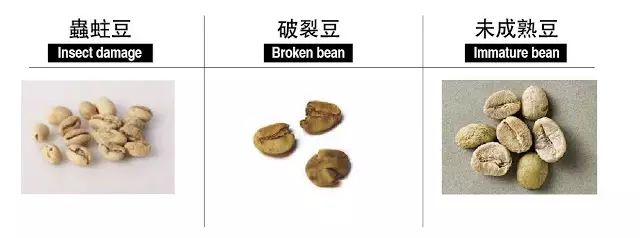
What are the defective beans in coffee? Effects of primary defective beans and secondary defective beans on coffee flavor
Picking beans is a term that has been mentioned constantly in the boutique coffee industry in recent years. What exactly is picking beans? The coffee beans bought by ordinary consumers are roasted ripe beans, and the quality of raw beans can no longer be known. It is difficult to swallow is not terrible, terrible is the coffee beans with defective beans, after brewing may carry biotoxins, serious harm to health, so manual selection has become important and unbearable

Introduction of Yunnan small Coffee Bean characteristic Flavor description method
Yunnan small grain coffee bean characteristic flavor description treatment method taste characteristics fine coffee bean introduction Yunnan coffee is planned in accordance with the requirements of the large industry. A complete system is formed from scientific research, planting, primary processing, storage, baking and deep processing. The formulation of the standard was perfected more than 10 years ago. According to this standard, the raw bean trade has been in line with international standards, and

The processing method of coffee beans organic species | what is the primary processing technology of coffee?
Professional Coffee knowledge Exchange more information on coffee beans Please pay attention to the coffee workshop (Wechat official account cafe_style) Coffee tree has a pair of oval seeds in the middle of the fruit, covered with outer skin, endocarp and pulp. Ripe fruit will rot in a short period of time without treatment, so the purpose of refining is to enable coffee beans to be preserved for a long time, easy to store and circulate. Treatment method one
The method of primary processing of small coffee beans
Technical requirements for the initial processing of small seed (Arabica seed) Coffee 1. There are two processing methods for coffee beans made from fresh coffee fruits, namely wet processing and dry processing. The first and second grade fruits are processed by wet method, and the third grade fruits are processed by dry method in areas without peeling machine and lack of water. 2. Processing technology 2.1 equipment and facilities should be equipped with fresh fruit collection pool and rainbow
A trip to the primary cafe
Go out at noon, start today's itinerary, goal: primary color caf address: Pingjiang Road Dingxiang Lane 2-2 (near Guanqian Street) specific: Pingjiang Road clove cabinet and Maokong coffee in that alley, the store is small. Today's bean seed packaging display: choose to taste: Panama Rose Summer, and Hawaii Kona (attracted by the intoxicating fruit aroma of an open bag)

Colombia Na Linglong Consa Kaplan Estate
About coffee planting area and harvest season in Colombia Columbian coffee planting is distributed along the Andes Mountains, from south to north, roughly divided into northern production area (green), central production area (orange, purple) and southern production area (yellow), of which orange purple area has two primary and secondary production seasons, green and yellow areas have one production season. Harvest season [varies by region
Detailed Analysis of the components of Fine Coffee beans
Volatile compounds are the primary source of coffee flavor, especially for coffee quality. There are many kinds of volatile snail in coffee, and its existence will affect the aroma quality of coffee. Its primary origin is derived from the non-volatile substances in raw beans which are disconnected or derived from spinning hooks in the process of roasting. Impregnation of thermal differentiation, other spinning hooks or compositions, such as sugars and amino acids

How to distinguish between primary defective beans and secondary defective beans? how to select the baked defective beans?
Professional coffee knowledge exchange more coffee bean information please pay attention to the coffee workshop (Wechat official account cafe_style) 1, major defects / first-level defects (Category 1) first-level defects (Category 1) in the CQI quality coffee raw bean evaluation criteria must not appear. It will seriously and continuously damage the raw bean quality of normal coffee, deteriorate the flavor of coffee, and produce coffee.

Knowledge Popularization of Science | History of Kenya Green Coffee manufacturer C.Dorman Company Kenya Coffee supply chain
C. Dorman Ltd was founded by Charles and Ellen Dorman in 1950 and quickly became a famous coffee export company in East Africa. Today, the company is still one of the leading exporters in the region. C. Dorman remains firmly committed to providing the highest quality coffee, while also supporting coffee in Kenya, Tanzania and Rwanda by investing in sustainable development programs

What are the respective characteristics of Wuyi rock tea and Phoenix Dan fir? Which is better, Phoenix Dancong or Wuyi rock tea?
The production of Wuyi rock tea is mainly divided into two processes: primary preparation and refining. The primary production process of Wuyi rock tea includes picking micro-withering, killing green, kneading and drying. The refining process of Wuyi rock tea includes: wool sorting, sieving, re-sorting, air sorting, even heaping and roasting. Phoenix single clump technology is very exquisite, from the beginning of single clump cultivation, laid the foundation for single plant acquisition and production.
China barista professional qualification certification enrollment [Guangdong Railway Station]
China barista professional qualification certification enrollment [Guangdong Station] Chinese barista professional qualification certification, organized by the Chinese Ministry of Labor and Social Security, the expert group of the coffee industry and the industry standard manual of baristas jointly developed, and the indicators will be implemented in the Department of Labor and Social Security of Guangdong Province. Guangdong Province, as the first batch of provinces to obtain the indicators, the provincial Labor Department organized an expert group to develop according to the national standards.
Thoughts on the Development of Coffee in Yunnan
Yunnan coffee industry has developed rapidly due to the promotion of Yunnan provincial government's ten-year plan and the stimulation of rising international market prices in the past two years: by the end of June 2011, the province's coffee planting area has reached 617000 mu. In 2010-11, despite the impact of last year's drought, the province still achieved 40, 000 tons of coffee output, of which 28400 tons were exported from raw beans.
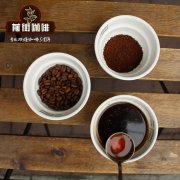
How about Baoshan Beaton Coffee _ introduction to the cultivation of Beaton Coffee _ is Kunming Beaton Coffee good?
Professional coffee knowledge exchange more coffee bean information please follow Coffee Workshop (Wechat official account cafe_style) at the closing ceremony of the first Pu'er Fine Coffee Expo, Beaton Coffee Base was awarded Yunnan Fine Coffee demonstration Farm by Yunnan Agricultural Department, American Coffee quality Association CQI and Yunnan International Coffee Trading Center. Selection of Yunnan Fine Coffee demonstration Manor

The three primary species of Ethiopian coffee
About 65% of coffee circulating in the world market is Arabica: according to ICO (International Coffee Organization) statistics, excluding the domestic transactions of coffee producing countries, about 65% of coffee circulating in the world market is Arabica and 35% is Robusta. Arabica is characterized by elongated and flattened particles, and Robusta coffee beans are rounded. But if you add a